|
INCSS-ePCR - EMS Software - NEMSIS v3.5.1 compliant for Collect Data.
|
|
|
EMS (Emergency Medical Services) Software is a specialized software solution designed to assist EMS organizations in managing their operations,
patient care, and logistical tasks. It helps streamline the process of dispatching, managing medical records, scheduling shifts,
tracking vehicles and equipment, and ensuring compliance with local health departments, city, county, regional, state and national regulatory requirements.
|
|
|
|
|
|
Key Features of EMS Software:
|
|
-
Patient Care Reports (PCR):
-
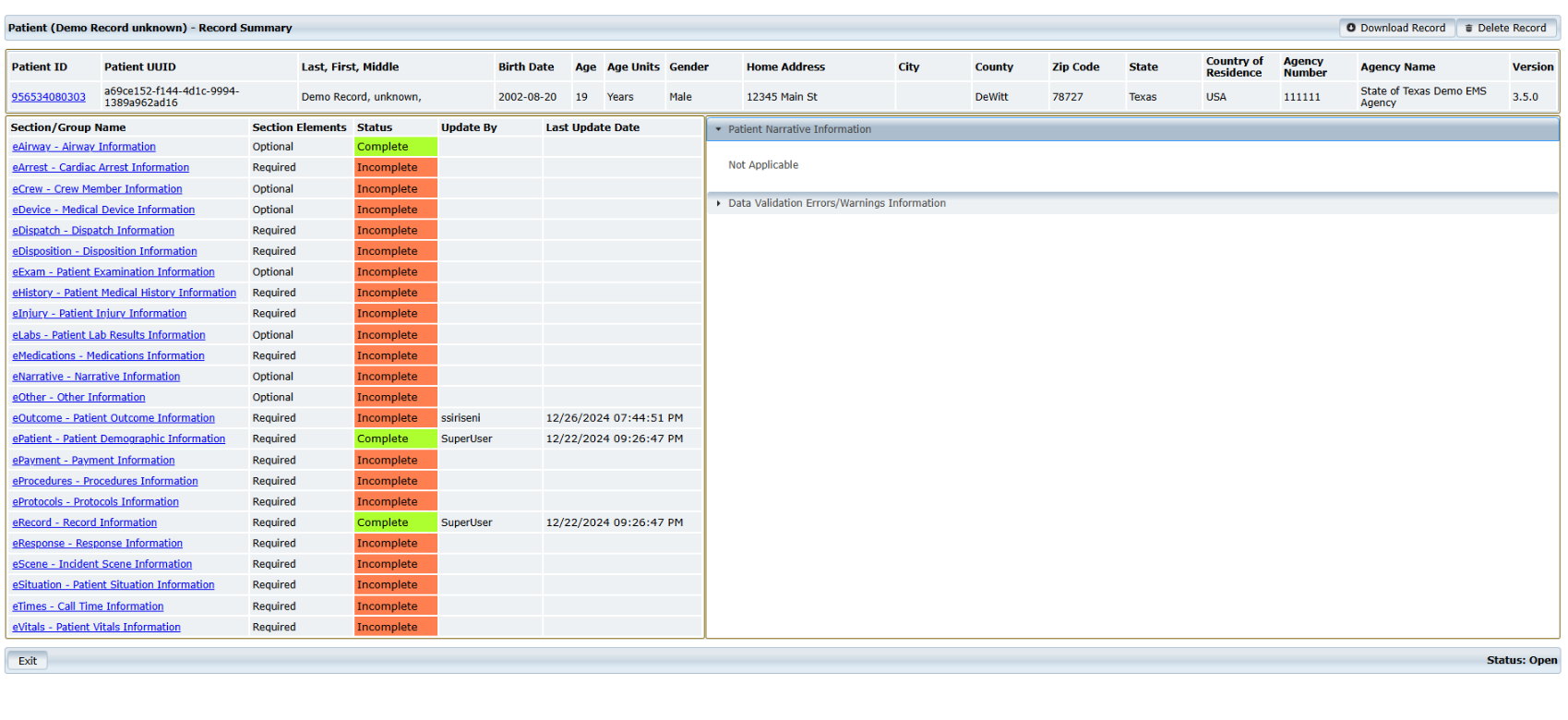
EMS software often includes tools for documenting patient care during transport, including vitals, medical history, and treatments provided. These records are typically integrated with hospital, state, and national systems to ensure continuity of care and quality of data for research.
-
AI Configurable Data Verifications & Validations:
-
AI configurable data verification and validation of national and state standard business rules.
-
Call Management & Dispatching:
-
EMS software can automate dispatch workflows, helping dispatchers quickly and efficiently allocate the appropriate units to an emergency. It tracks real-time locations of EMS vehicles to ensure timely arrival at emergencies.
-
Vehicle & Equipment Tracking:
-
It enables the tracking of EMS vehicles, their locations, fuel levels, maintenance schedules, and the condition of medical equipment on board.
-
Scheduling & Shift Management:
-
EMS software helps manage staffing schedules for paramedics, EMTs, and other personnel. It can track shift changes, overtime, and create reports for payroll.
-
Billing & Revenue Cycle Management:
-
EMS software can automate the billing process for services rendered, ensure accurate coding for insurance claims, and manage patient invoicing. It often integrates with insurance systems for claims submission and reimbursement tracking.
-
Integration with Hospitals & Healthcare Systems:
-
EMS software can interface with hospital systems and other healthcare providers to transfer patient data seamlessly, improving patient care and reducing errors. Some systems include integration with EHRs, allowing EMS professionals to access patient histories before arriving at the scene.
-
Mobile Access:
-
Many EMS software solutions offer mobile apps or mobile-friendly interfaces so paramedics and EMTs can document patient care, update their status, and access necessary information while on the go.
-
Reporting & Analytics:
-
EMS software provides tools for generating various reports such as call volumes, response times, patient outcomes, and operational performance. These insights are useful for decision-making and optimizing operations.
-
Compliance & Documentation:
-
EMS providers must comply with regulatory bodies such as HIPAA (in the U.S.) or local regulations. EMS software often includes features for ensuring that data is securely stored and meets regulatory standards.
-
GPS & Mapping:
-
GPS tracking and real-time mapping are essential features for EMS software to improve response times and routing, helping ambulances navigate to emergencies more efficiently.
|
|
|
IcrApp-ePCR EMS Software Benefits:
|
|
- Improved Patient Care: By allowing EMS professionals to document patient care in real time and share information with hospitals, EMS software helps ensure the continuity of care.
- Operational Efficiency: Automation of dispatching, scheduling, and reporting tasks reduces administrative burden and streamlines operations.
- Faster Response Times: With real-time vehicle tracking and optimized routing, EMS teams can respond more quickly to emergencies.
- Better Resource Management: EMS software helps track inventory, vehicles, and equipment, ensuring that resources are used efficiently and are well-maintained.
- Financial Management: EMS software simplifies billing, ensuring accurate claims submission, payment tracking, and reducing revenue cycle delays.
- Data Security and Compliance: EMS software often includes strong security features that ensure compliance with healthcare data privacy regulations like HIPAA.
|
|
|
|
|
|
|